

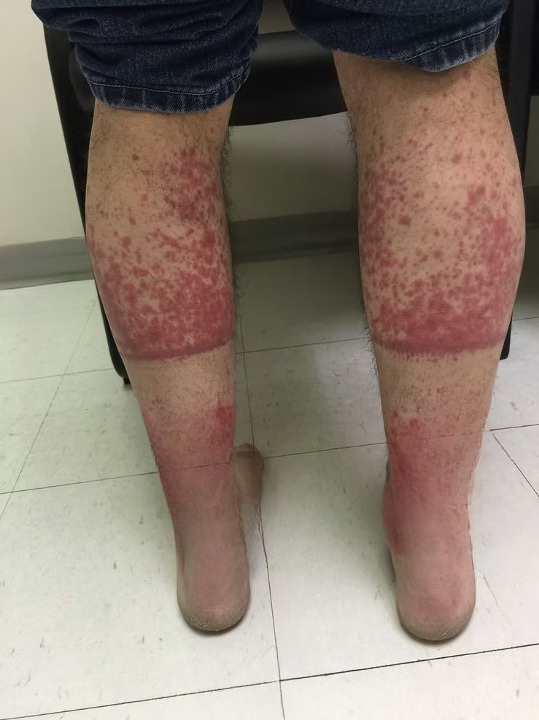
Imagine spending a warm afternoon outdoors—walking through a scenic park, exploring a vacation destination, or attending a long outdoor event. The weather feels pleasant, your spirits are high, and you’re enjoying the moment. Yet, later that day, you notice an unexpected rash on your legs.
At first, it might look like sunburn, bug bites, or an allergic reaction. For many, the appearance of reddish or purplish patches along the calves or ankles is alarming and confusing. In numerous cases, this type of skin reaction is exercise-induced vasculitis (EIV), sometimes referred to as golfer’s vasculitis, Disney rash, or hiker’s rash.
While the term may sound concerning, EIV is generally mild and temporary. Despite its harmless nature, its sudden appearance often sparks unnecessary worry, as it can resemble more serious health conditions. This comprehensive guide explores exercise-induced vasculitis—its causes, symptoms, risk factors, prevention, and treatment strategies—so you can respond confidently and reduce discomfort while continuing an active lifestyle.
What Is Exercise-Induced Vasculitis? Exercise-induced vasculitis occurs when small blood vessels near the skin’s surface, particularly in the lower legs, become inflamed after extended periods of physical activity in warm or humid conditions. During exercise, your circulation increases to help regulate body temperature.
In most people, the blood returns to the heart efficiently. However, in some individuals, blood can pool in the lower extremities, putting stress on delicate capillaries. This stress can trigger inflammation, resulting in a visible rash.
The rash associated with EIV typically appears after prolonged walking, running, or standing in heat. While it can be uncomfortable, it is rarely dangerous and usually resolves on its own within a week or two. Recognizing the Rash
Key Characteristics
The rash caused by exercise-induced vasculitis has several hallmark features:
Location: Often on calves, ankles, and shins; sometimes extends toward the thighs.
Appearance: Reddish, purple, or blotchy patches that may itch or cause mild discomfort. Timing: Develops hours after prolonged activity in heat. Duration: Usually fades within 7–10 days once activity ceases and the body cools.
Interestingly, EIV is commonly reported among travelers, particularly cruise passengers, who spend long days walking in hot and humid environments. Many initially mistake it for an allergic reaction or insect bites before learning that it is a vascular response to exertion in warm conditions. Who Is Most Susceptible?
While exercise-induced vasculitis can affect anyone, certain groups are more prone to experiencing flare-ups:
Adults over 50: Circulation naturally changes with age, increasing susceptibility. Women: Active women who engage in long walks or extended outdoor activity are more commonly affected. Outdoor enthusiasts: Hikers, runners, and golfers often encounter this rash during prolonged activity in hot weather.
Vacationers: Cruise ship guests and theme park visitors may notice the rash after long days of walking in humid conditions. The condition is not rare but is often underrecognized, as people may mistake it for something more serious. Symptoms of Exercise-Induced Vasculitis
Symptoms vary in intensity but typically include:
Skin rash: Red, purple, or blotchy spots on the lower legs.
Itching or burning: Mild irritation can accompany the rash. Mild swelling: Particularly around ankles and calves. Leg discomfort: Rarely, some individuals experience heaviness or tenderness.
Symptoms usually appear after several hours of activity in warm conditions and often improve with rest, leg elevation, and cooling strategies. Is EIV Dangerous? For most individuals, exercise-induced vasculitis is not harmful.
The condition is self-limiting and does not cause long-term damage. The primary concerns are cosmetic (the rash may look alarming) and temporary discomfort (itching or burning). The main risk lies in misidentification.
Because EIV resembles other serious conditions, people may either panic unnecessarily or dismiss warning signs that warrant medical attention. Home Remedies and Relief Strategies
Managing exercise-induced vasculitis is typically straightforward. Lifestyle adjustments and simple remedies often provide relief.
Effective Measures
Cool compresses: Place a damp cloth on the rash to soothe irritation (avoid ice directly on the skin). Leg elevation: Lie down with legs raised above heart level to encourage blood flow and reduce swelling. Hydration: Drink plenty of water to support vascular health and prevent worsening symptoms.
Over-the-counter antihistamines: Mild antihistamines may reduce itching. Actions to Avoid
Certain behaviors can worsen the rash:
Sitting in hot tubs or taking hot baths
Prolonged sun exposure
Continuing strenuous exercise in heat
Massaging or rubbing the rash area
Applying topical muscle rubs (ineffective for EIV)
Using antibiotics unnecessarily (EIV is not caused by infection)
Preventing Exercise-Induced Vasculitis
While EIV cannot always be prevented, several practical strategies can minimize the risk:
Exercise during cooler hours: Early morning or evening is ideal. Wear breathable clothing: Lightweight, moisture-wicking fabrics help regulate body temperature.
Stay hydrated: Drink water before and during activity. Take breaks: Rest in shaded or air-conditioned areas to allow your body to cool. Consider compression stockings: Can improve circulation but may be uncomfortable in high heat.
The story doesn’t end here — it continues on the next page.
Tap READ MORE to discover the rest 🔎👇